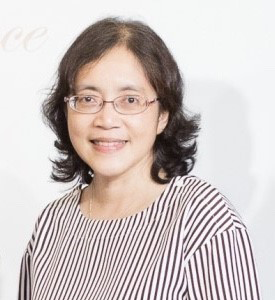
李怡萱 Yi-Hsuan Lee
專任教授
02-2826-7067
yhlee3@nycu.edu.tw
Molecular Neurobiology, Glutamate Neurotransmission and Homeostasis, Neuroinflammation, Stroke, Epilepsy, Translational Neuroscience
學歷 Education
| Duration | University | Degree |
|---|---|---|
| 1984/09 – 1988/06 | Department of Agricultural Chemistry, National Taiwan University, Taipei, Taiwan | B.Sc |
| 1989/08 – 1993/10 | Department of Physiology and Cell Biology, University of Kansas, Lawrence, Kansas, U.S.A. | Ph.D |
經歷 Professional Experience
| Duration | Institution | Department | Position |
|---|---|---|---|
| 2024/02 – present | National Yang Ming Chiao Tung University, Taiwan. | College of Medicine | Associate Dean |
| 2021/02 – 2022/06 | National Yang Ming Chiao Tung University, Taiwan. | Office of Academic Affairs | Deputy Vice President |
| 2010/04 – present | National Yang Ming Chiao Tung University, Taiwan. | Department and Institute of Physiology | Professor |
| 2016/08 – 2022/07 | National Yang Ming Chiao Tung University, Taiwan. | Distinguished Professor | |
| 2022/09 – 2022/11 | Harvard Medical School, USA | Brigham and Women’s Hospital | Visiting Scholar |
| 2020/02 – present | National Yang Ming Chiao Tung University, Taiwan. | Institute of Neuroscience | Adjunct Professor |
| 2020/05 – 2022/04 | The Chinese Physiological Society (CPS), Taiwan. | President | |
| 2016/01 – 2018/12 | Department of Life Sciences, Ministry of Science and Technology (MoST), Taiwan. | Division of Morphological Medicine and Physiology | Convener |
| 2005/08 – 2010/03 | Taipei Medical University (TMU), Taiwan. | Department of Physiology | Chairman |
| 2003/08 – 2010/03 | Taipei Medical University, Taiwan. | Department of Physiology | Professor |
| 1995/10 – 2003/07 | Taipei Medical University, Taiwan. | Department of Physiology | Associate Professor |
| 1994/06 – 1995/09 | Chang Gung Memorial Hospital. Taiwan. | Department of Plastic Surgery | Associate Researcher |
榮譽與獎項 Honors and Awards
| Duration | Honors and Awards |
|---|---|
| 2026 | Academy Fellow, International Union of Physiological Science (IUPS), 2026 |
| 2023,2024 | Outstanding Research Paper Award, National Yang Ming Chiao Tung University |
| 2013~2027 | Research Excellence Award, National Yang Ming Chiao Tung University |
| 2016~2022 | Distinguished Professor, National Yang Ming Chiao Tung University |
| 2024 | Featured Course Award—Outstanding Award, National Yang Ming Chiao Tung University (Integration of VR technology into Muscle Physiology Lab course) |
| 2024 | Refresher Lecture, 20th IMSPQ, Cebu, Philippine, July 2024. Lecture on teaching: My teaching in neurophysiology and beyond. Lecture on research update: FKBP5: for brain vulnerability or resilience? |
| 2010~2024 | Teaching Excellence Award, School of Medicine, NYCU |
| 2008 | Excellence in Innovative Teaching Award, Taipei Medical University (Integrating Animal-Assisted Therapy into General Education and Medical Neurophysiology Courses) |
| 2006 | Excellent Teacher Award, Taipei Medical University, Taiwan |
代表著作 Selected Publications
| Item | Publication Title |
|---|---|
| 1 | Academic hub: https://scholar.nycu.edu.tw/zh/persons/yi-hsuan-lee |
| 2 | Gan YL, Lin SH, Kang YP, Zhou JZ, Huang WH, Sung PH, Hung CC, Hsu PC, Chu SY, Shie FS, Lee IH, Jeng CJ, Lee YH*. (2026) Astrocytic FKBP5 regulates neuroinflammation and cognitive outcomes in male mouse models of excitotoxic epilepsy. Brain, Behavior and Immunity, 133:106278. |
| 3 | Gan YL, Lee YH*. (2025) Indoleamine 2,3‑Dioxygenase 1/Aryl Hydrocarbon Receptor Feedback Loop Mediates Anti‑inflammation in lipopolysaccharide‑stimulated Astrocytes to Dampen Inflammatory Neurotoxicity. Journal of Physiological Investigation. Jan 1;68(1):1-10. |
| 4 | Gan YL, Lin WJ, Fang YC, Tang CY, Lee YH*, Jeng CJ. FKBP51 is involved in LPS-induced microglial activation via NF-κB signaling to mediate neuroinflammation. Life Sci. 2024 Aug 15;351:122867. |
| 5 | Huang YJ, Hung CC, Hsu PC, Lee PY, Tsai YA, Hsin YC, Lee XT, Chou CC, Chen ML, Tarng DC, Lee YH. Astrocytic aryl hydrocarbon receptor mediates chronic kidney disease-associated mental disorders involving GLT1 hypofunction and neuronal activity enhancement in the mouse brain. Glia. 2023 Apr;71(4):1057-1080. |
| 6 | Gan YL, Wang CY, He RH, Hsu PC, Yeh HH, Hsieh TH, Lin HC, Cheng MY, Jeng CJ, Huang MC*, Lee YH*. (2022) FKBP51 mediates resilience to inflammation-induced anxiety through regulation of glutamic acid decarboxylase 65 expression in mouse hippocampus. J Neuroinflammation. 19:152. |
| 7 | Hsu PC, Lan YJ, Chen CC, Lee LY*, Chen WP, Wang YC, and Lee YH*. (2022) Erinacine A attenuates glutamate transporter 1 downregulation and protects against ischemic brain injury. Life Sciences. 306:120833. |
| 8 | Lin CH, Chou CC, Lee YH, Hung CC. (2022) Curcumin facilitates aryl hydrocarbon receptor activation to ameliorate inflammatory astrogliosis. Molecules. 27:2507. |
| 9 | Kuo YM, Lee YH*. Epoxyeicosatrienoic acids and soluble epoxide hydrolase in physiology and diseases of the central nervous system. Chin J Physiol. 2022 Jan-Feb;65(1):1-11. doi: 10.4103/cjp.cjp_80_21.PMID: 35229747 Review. |
| 10 | Chen WC, Chang LH, Huang SS, Huang YJ, Chih CL, Kuo HC, Lee YH*, Lee IH*. (2019) Aryl hydrocarbon receptor modulates stroke-induced astrogliosis and neurogenesis in the adult mouse brain. J Neuroinflammation. 16:187. |
| 11 | Kuo YM, Hsu PC, Hung CC, Hu YY, Huang YJ, Gan YL, Lin CH, Shie FS, Chang WK, Kao LS, Tsou MY, Lee YH*. (2019) Soluble Epoxide Hydrolase Inhibition Attenuates Excitotoxicity Involving 14,15-Epoxyeicosatrienoic Acid-Mediated Astrocytic Survival and Plasticity to Preserve Glutamate Homeostasis. Mol Neurobiol. 56:8451-8474. |
| 12 | Huang HJ, Wang YT, Lin HC, Lee YH*, Lin AM*. Soluble Epoxide Hydrolase Inhibition Attenuates MPTP-Induced Neurotoxicity in the Nigrostriatal Dopaminergic System: Involvement of α-Synuclein Aggregation and ER Stress. MOLECULAR NEUROBIOLOGY. 2018; 55(1):138-144. |
| 13 | Huang SL, Chang CW, Lee YH, Yang FY*. Protective Effect of Low-Intensity Pulsed Ultrasound on Memory Impairment and Brain Damage in a Rat Model of Vascular Dementia. RADIOLOGY. 2017; 282(1):113-122. |
| 14 | Hung CC, Lin CH, Chang H, Wang CY, Lin SH, Hsu PC, Sun YY, Lin TN, Shie FS, Kao LS, Chou CM, Lee YH*. Astrocytic GAP43 induced by the TLR4/NF-κB/STAT3 axis attenuates astrogliosis-mediated microglial activation and neurotoxicity. JOURNAL OF NEUROSCIENCE, 2016; 36(6):2027-43. |
| 15 | Chou CC, Modi JP, Wang CY, Hsu PC, Lee YH*, Huang KF, Wang AH*, Nan C, Huang X, Prentice H, Wei J, Wu JY*. Activation of Brain L-glutamate Decarboxylase 65 Isoform (GAD65) by Phosphorylation at Threonine 95 (T95). MOLECULAR NEUROBIOLOGY, 2017; 54(2):866-873. |
| 16 | Wang CY, Lin HC, Song YP, Hsu YT, Lin SY, Hsu PC, Lin CH, Hung CC, Hsu MC, Kuo YM, Lee YJ, Hsu CY, Lee YH*. PKC-dependent GAP43 phosphorylation regulates gephyrin aggregation at developing GABAergic synapses. MOLECULAR AND CELLULAR BIOLOGY 2015; 35(10): 1712–1726. |
| 17 | Lee YH*, Lin CH, Hsu PC, Sun YY, Huang YJ, Zhuo JH, Wang CY, Gan YL, Hung CC, Kuan CY, Shie FS*. Aryl hydrocarbon receptor mediates both proinflammatory and antiinflammatory effects in lipopolysaccharide-activated microglia. GLIA 2015; 63(7):1138-1154. |
| 18 | Sun YY, Lin SH, Lin HC, Hung CC, Wang CY, Lin YC, Lien CC, Kuan CY, Lee YH*. Cell type-specific dependency on the PI3K/Akt signaling pathway for the endogenous Epo and VEGF induction by baicalein in neurons versus astrocytes. PLoS One 2013; 8(7):e69019. |
| 19 | Lin MS, Hung KS, Chiu WT, Sun YY, Tsai SH, Lin JW, Lee YH*. Curcumin enhances neuronal survival in N-methyl-D-aspartic acid toxicity by inducing RANTES expression in astrocytes via PI-3K and MAPK signaling pathways. PROGRESS IN NEURO-PSYCHOPHARMACOLOGY & BIOLOGICAL PSYCHIATRY 2011;35(4):931-938. |
| 20 | Lin MS, Sun YY, Chiu WT, Chang CY, Hung CC, Shie FS, Tsai SH, Lin JW, Hung KS, Lee YH*. Curcumin attenuates the expression and secretion of RANTES following spinal cord injury in vivo and lipopolysaccharide-induced astrocyte reactivation in vitro. JOURNAL OF NEUROTRAUMA 2011;28:1259-1269. |
| 21 | Sun YY, Wang CY, Hsu MF, Juan SH, Chang CY, Chou CM, Yang LY, Hung KS, Xu J, Lee YH*, Hsu CY*. Glucocorticoid protection of oligodendrocytes against excitotoxin involving hypoxia-inducible factor-1α in a cell type-specific manner. JOURNAL OF NEUROSCIENCE 2010;30(28):9621-9630. |
| 22 | Chang CY, Lee YH, Leu SJ, Wang CY, Wei CP, Hung KS, Pai MH, Tsai MD, Wu CH*. CCL18/PARC expression in the central nervous system with special reference to traumatic brain injuries and neoplastic disorders. NEUROSCIENCE 2010;165:1233-1243. |
五年內執行計畫
| 排序編號 | 年度 | 計畫名稱 | 單位 | 計畫期間 |
|---|---|---|---|---|
| 2025 | 神經塑性蛋白GAP43對腦傷後星狀膠細胞之蛋白品質管控與胞外囊泡分泌之調節機轉研究 | 國家科學及技術委員會 | 2025~2028 | |
| 2024 | 以FKBP5為標的之缺血性中風研究:從動物模式到人類細胞平台和臨床族群來探討病生理與基因風險因子交互影響之機轉-抑制FKBP51對星狀細胞活化於中風後腦傷修復之機制與藥物研發—從小鼠到人類腦細胞 | 國家科學及技術委員會 | 2024~2027 | |
| 2024 | 使用Erinacine A 對於治療缺血性中風後之認知功能行為模式研究及神經結構功能分析―前臨床研究計畫 | 國科會竹科管理局新興科技計畫 | 2024 | |
| 2023 | 以大腦FKBP5 為標的: 中風後病生理與神經調節機制研究整合型計畫-星狀膠細胞FKBP5於缺血性中風後腦損傷與修復之角色與機轉研究(3/3) | 國家科學及技術委員會 | 2023~2024 | |
| 2022 | 解析芳香烴受器雙配體結合位點之特性及其對星狀膠細胞功能之影響 (國科會) 2022~2025 | 國家科學及技術委員會 | 2022~2025 | |
| 2022 | 以大腦FKBP5 為標的: 中風後病生理與神經調節機制研究整合型計畫-星狀膠細胞FKBP5於缺血性中風後腦損傷與修復之角色與機轉研究(2/3) | 國家科學及技術委員會 | 2022/08/01~2023/07/31 |
實驗室成員 Lab Members
| 職稱/學位 | 姓名 |
|---|---|
| 碩士生 | 李永移、張若葳、吳峻廷、游媞璇 |
| 博士生 | 許珮蒨、朱淑尹 |
| 醫學系B組 | 丁威智 |
| 博士後研究員 | 洪家琪 |
| 研究助理 | 柳曉君 |
| 畢業生(博) | 郭怡敏、甘育菱、黃昱傑 |
| 畢業生(碩) | 柳曉君、蔡霆霖、陳亮蓉、張詩涵;李協庭、康毓蘋;黃偉瑄;王韻清、周家甄;游博凱、辛予蕎;何榕恒、胡雅瑜;葉于萍、莊祥譽;陳琬慈、許舒沛;李佳芸、錢妏樺;黃昱傑 (直升博),吳聲輝;甘育菱、翁崇瀚;張軒、張宜貞、李柏儀。 |
實驗室活動 Lab Photo
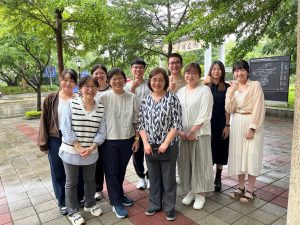

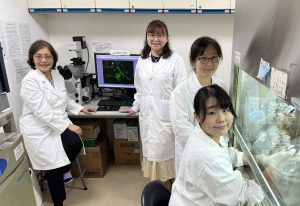
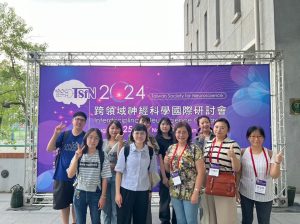
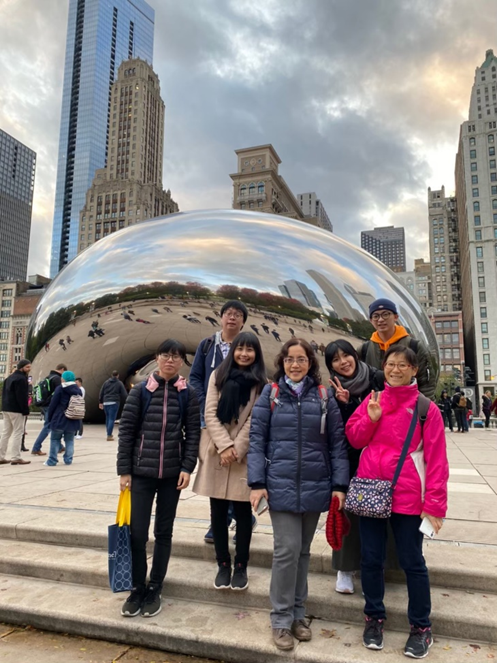
研究方向 Research Interest
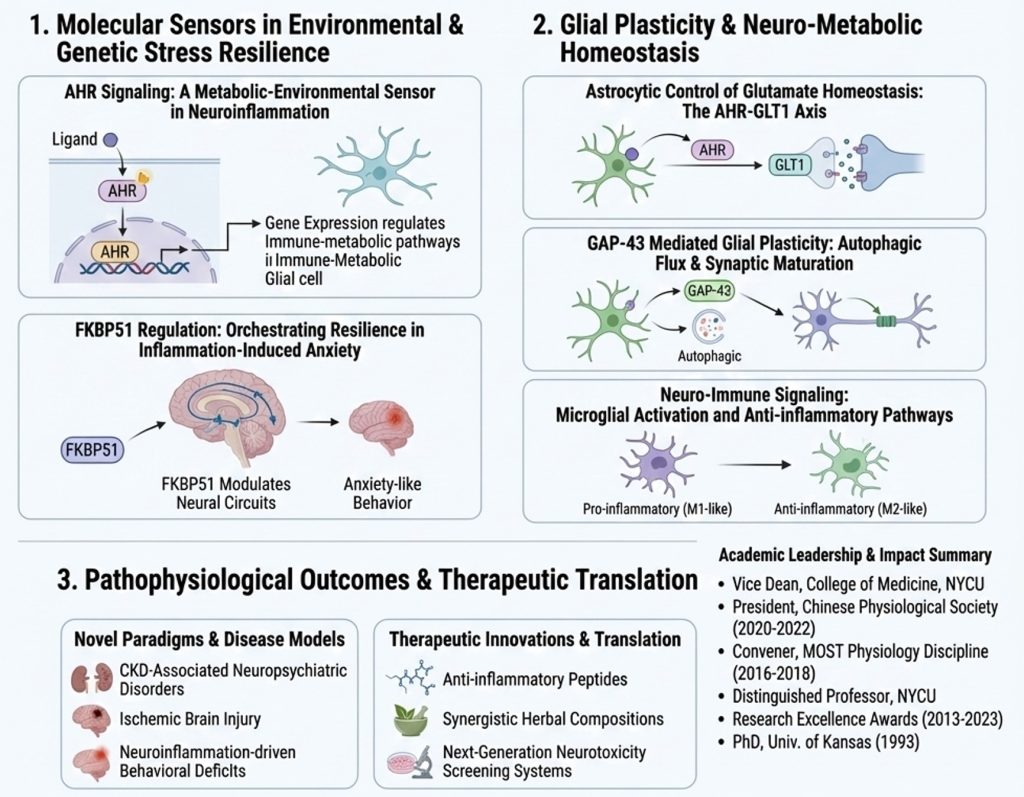
The Lee lab uses neuron-glia culture systems and brain injury animal models with cell type-specific gene deletion to study the important role of glia, especially astrocytes, in mediating environmental and genetic factors related to neuronal injury and diseases involving excitotoxicity and neuroinflammation, focusing on the following areas.
(1) Aryl hydrocarbon receptor (AhR) signaling in brain disorders—AhR is a metabolic-environmental sensor involved in xenobiotic metabolism, with a variety of ligands originating from environmental organic pollutants and tryptophan metabolism. The Lee Lab employs genetic manipulation of AhR in neurons, microglia, and astrocytes to explore their multifaceted roles in glutamate receptor signaling and NFκB signaling within neuroimmune regulation. By establishing a dual-ligand-binding-pocket model for AhR and developing innovative ligand classification and drug design, potential applications of ligand-specific interventions for treating brain diseases will be developed.
(2) FKBP51 in neuroinflammation─ FKBP5 is a genetic risk factor for mental disorders, a stress-inducible co-chaperone protein, and one of the markers of the proinflammatory astrocyte phenotype. The Lee lab studies the molecular mechanism of FKBP51-NFkB interaction in proinflammatory astrogliosis and microgliosis, and applies this research to developing pathway-specific FKBP51 inhibitors for treating neuroinflammation in stroke and epilepsy.
(3) Glia-dependent neuroprotection and neuroplasticity ─ The Lee lab established a neuron-glia culture system to demonstrate the comparable protective effects of several neuroprotective compounds, including curcumin and soluble epoxide hydrolase inhibitors, as seen in animal models through the protection of astrocytes. Glutamate transporter GLT1, which mediates glutamate homeostasis, and the injury-induced glial plasticity protein GAP43 are the two main targets for studying their effects on glia-mediated neuroprotection.
專利 Patent
- Title: AN ISOLATED TRANSGENIC MAMMALIAN NEURAL CELL FOR DETECTION OF A SAMPLE CONTAINING A CHEMICAL SUBSTANCE DAMAGE TO NEUROLOGICAL SYSTEM OR SELECTION OF DRUGS FOR TREATING NEURODEGENERATIVE DISORDERS. Inventors: Yi-Hsuan Lee, Chen-Yu Wang, Shu-Hui Juan, Wen-Liang Chen, Kuo-Sheng Hung, Chun-Hua Lin. Patent No.: US 8,211,695. Issue date: July 3, 2012. Period: 2012/07/03~2030/03/31.
- 專利名稱: 檢測損害或影響神經系統之化學物質樣品及篩選治療神經系統疾病之經分離之轉殖基因哺乳動物神經細胞. 發 明 人: 李怡萱,王震宇,阮淑慧,陳文亮,洪國盛, 林君樺. 中華民國專利號碼: 發明第I401434號. 專利期間: 2013/7/11~2030/3/30。
新聞 News
受訪(1).
2022年10月15日: 長新冠為何引發焦慮?研究:恐是FKBP5基因作祟【發現科學】
https://www.youtube.com/watch?v=9ifGFrjHQ9Q
受訪(2).
將VR技術導入經典的青蛙實驗教學,不僅提升學生學習體驗,更引領醫學教育的創新發展。此項突破性教學模式獲得國際關注,並受到陽明交通大學國際宣傳辦公室專訪,登上最新一期 NYCU 英文電子報!
完整報導請見:NYCU Brilliantly Utilizes VR Technology to Transform and Upgrade Medical Education
受訪(3).
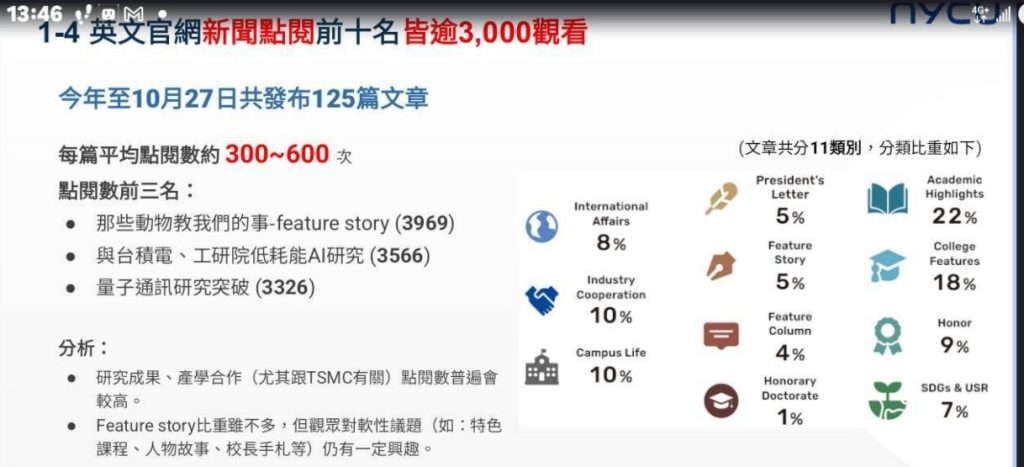
李怡萱教授開課四年的三校跨域核心通識課” 那些動物教我的事”,專文報導為本校2025年年度最多人閱覽的文章。 NEWS-NYCU’s Cross-Disciplinary Course “Things We Learned from Animals” Explores the Bond Between Humans and Animals-National Yang Ming Chiao Tung University https://share.google/yqohyL90qTg6Ukzb0
以上資料來自本校國際宣傳辦公室及秘書處公關組。
受訪(4).
神農坡雜誌專訪: 那些動物教我的事
https://www.nycu.edu.tw/nycu/ch/app/data/view?module=nycu0141&id=21171&serno=080a77b8-c264-4e85-a626-805dd5b7a015
資料來自本校神農坡雜誌網路版。